Choosing a provider
What should you know before you choose a film crew?
June 12, 2025 · KK
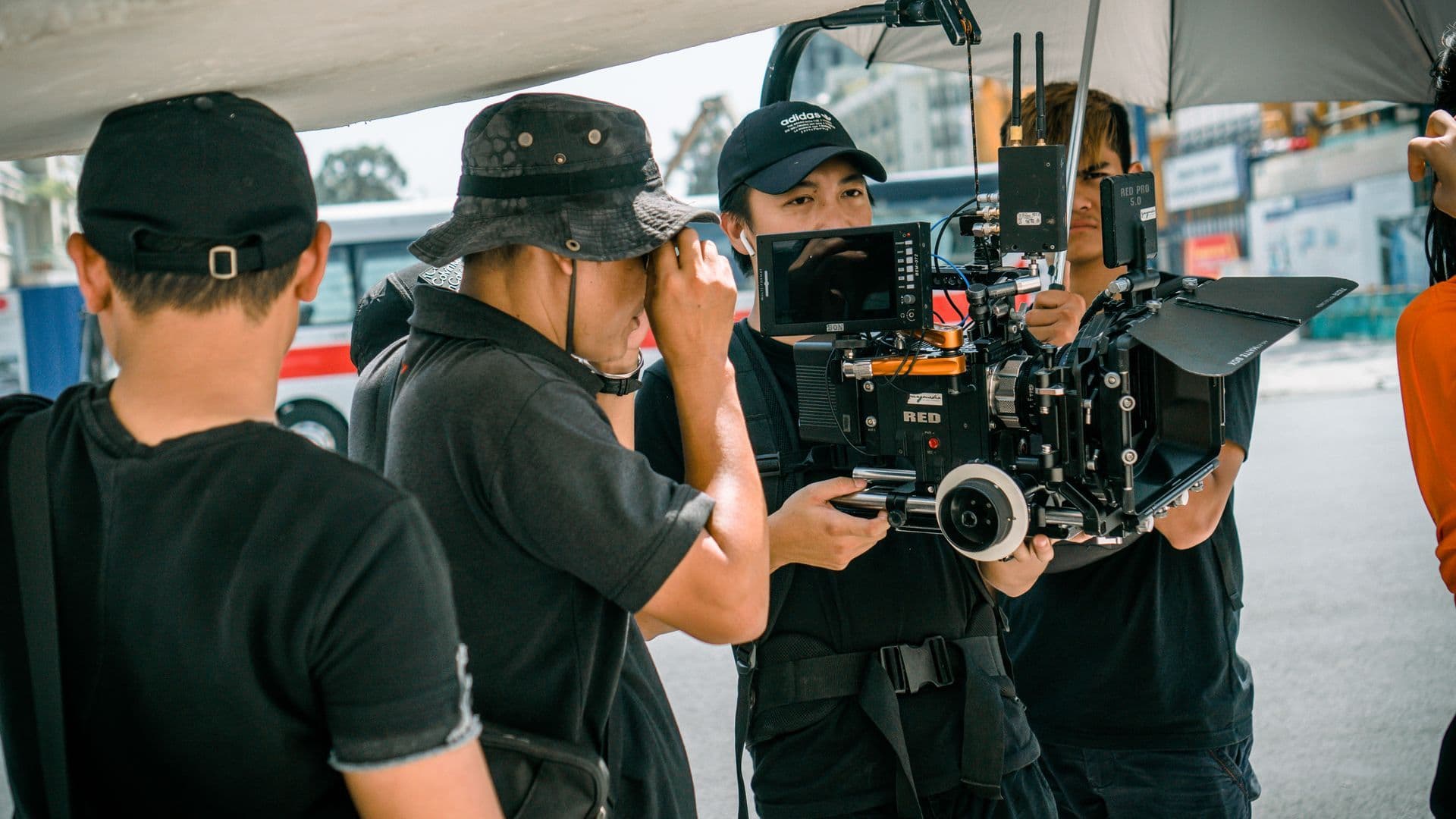
Imagine you commission a company video. The crew arrives on time, sets up a lot of equipment and films beautiful shots. Two weeks later you receive the edit.
It looks professional. But nobody understands what you actually sell.
This is a made-up example, but it shows well why choosing a film crew involves more than judging the picture. Someone has to understand your offer, find the interesting story in it and translate it into scenes that can be filmed.
Before you decide, check how the crew will do that.
Watch one of their videos from start to finish
A showreel of best shots can show a car, a drone, a beautiful location and excellent light within a few seconds. For your project, though, what happens between those beautiful moments will matter too.
Ask for a complete video with a brief similar to yours. If you need an explanation of a service, watch an explanation of a service.
Do you quickly understand the main message? Does the speaker seem relaxed? Is the video interesting even when the editing calms down?
Then just listen to it for half a minute. That makes it easier to notice unclear speech, room echo and music that competes with the content. It's a simple test of the work that dazzling shots quickly overshadow.
Ask which part of the project shown they actually did
A lot of people can be involved in a larger video. The crew showing it among their references may have developed the idea and run the whole production. Or they may have taken on the filming or the editing.
Both can be quality work. What matters for your choice is knowing which abilities the reference actually proves.
The question is simple: “What was your part in this project?”
If you expect help from the very first idea onwards, look for evidence that the crew is good at that stage as well.
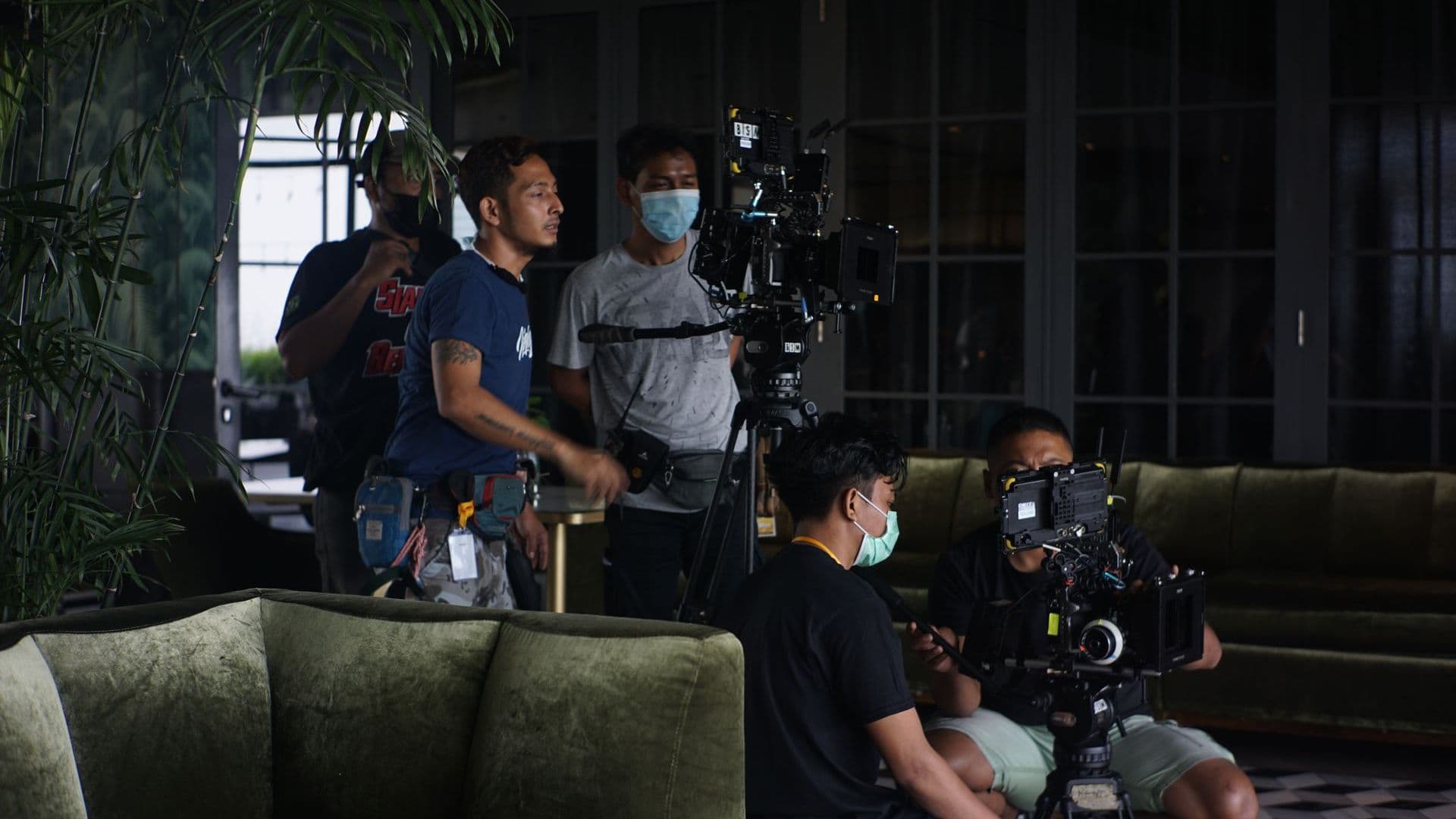
Find out who will help the person in front of the camera
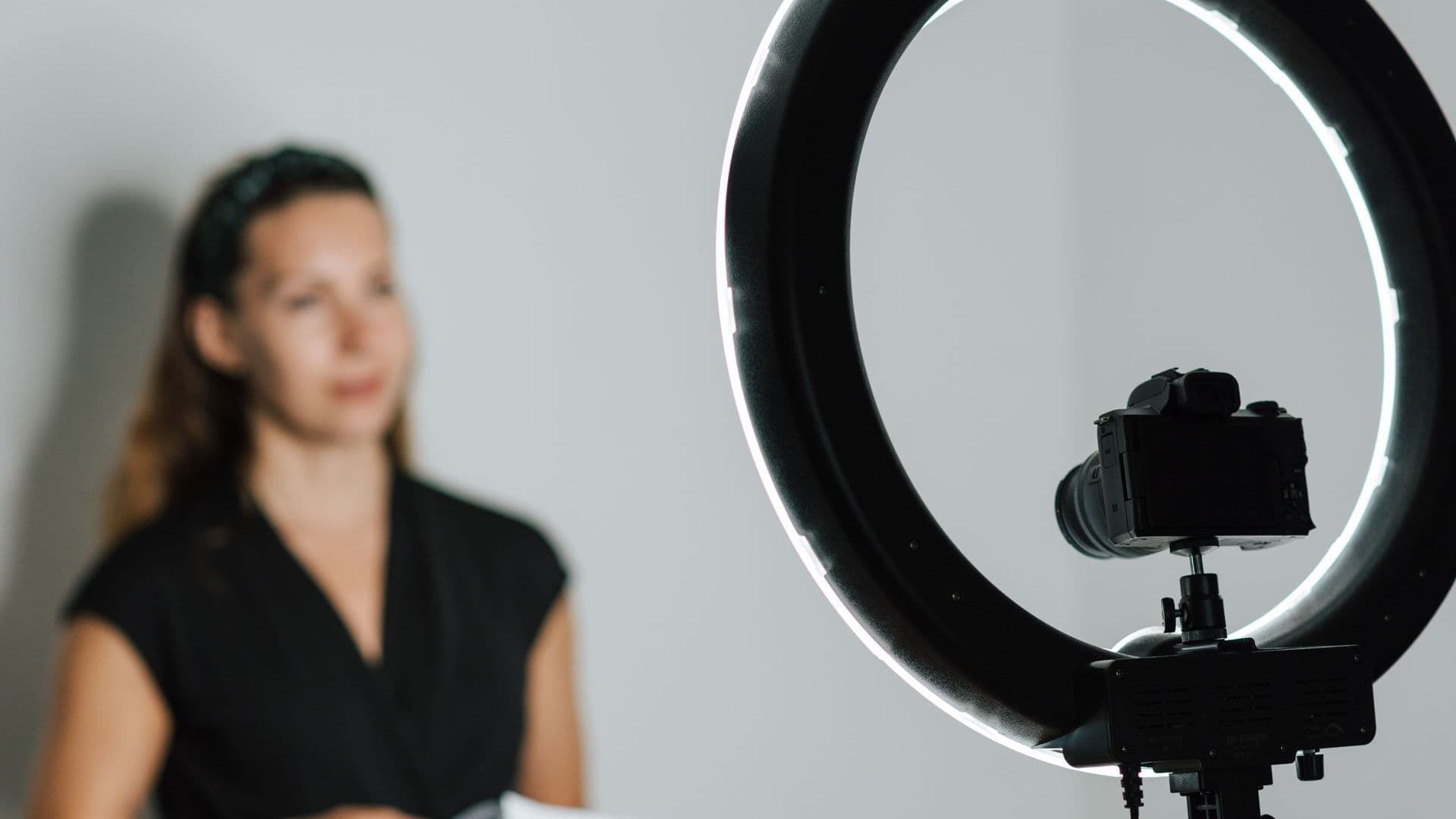
A company director can confidently lead a meeting with twenty people and then get stuck on the second sentence in front of a camera.
So ask how the crew guides someone with no filming experience. Will they split the text into shorter parts? Will they get the content through a conversation? Who will listen to the answer and notice that a complicated sentence needs to be said more naturally?
If the face of your company is the central part of the video, this ability is very important. Good preparation also has to take into account the person who will deliver the message.
Listen to their questions
Before they suggest a location and a style, they should find out who you are speaking to, what you offer and what the viewer should understand after watching.
It's also useful to clarify together where the content will be published. A video for the top of a website, an explanation for a sales meeting and a short ad have different jobs.
Try the question: “If you were to film just one video for our company, what would you show with it and why?”
They don't need to produce an entire campaign for free on the first call. You are looking for a way of thinking and the ability to explain a decision.
Translate the quote into the things you will receive
“Filming and editing” can mean very different scopes. Before you confirm, it should be clear:
- How many final videos and versions do you receive?
- Who prepares and approves the script?
- Are subtitles, music and graphics included?
- How many rounds of revisions are planned?
- When do you get the first preview and the final version?
- What use of the music, the footage and the people on screen has been agreed?
- How are the handover and storage of the source material arranged?
Also agree specifically on how much work will be left to you. Some companies want to lead the creative part themselves, others need a partner who will organise the process.
The last question: would you happily still be working with these people in six months?
In a regular partnership you will look for ideas together, coordinate dates and resolve feedback. So watch whether the crew listens, explains and keeps to agreements even before the first shoot.
The most useful reference is a project where you can understand both the final video and the path to it. So bring your idea to the meeting and ask: “How would you carry this out from the first conversation to the final publication?”
Videos and sources
This article is an editorial practical guide. The questions and tests are suggestions for clients, not a summary of research or statistical findings.
- StudioBinder: preparing before the shoot.
- StudioBinder video: The Pre-Production Process in Film Explained. For a look at planning, dividing up tasks and preparation.